AI-assisted translation
For high-volume documents, AI delivers the speed and people deliver the quality
Chinese companies operating in Türkiye often have large volumes of internal documents, product data, emails and knowledge-base content that need Chinese–Turkish translation, and translating all of it by hand takes a long time. Yeni İpekyolu (New Silk Road) uses a “machine translation + human post-editing” (MTPE) approach: AI produces the first draft in a controlled translation environment, then translators fluent in Chinese and Turkish correct it sentence by sentence, delivering both speed and readability.
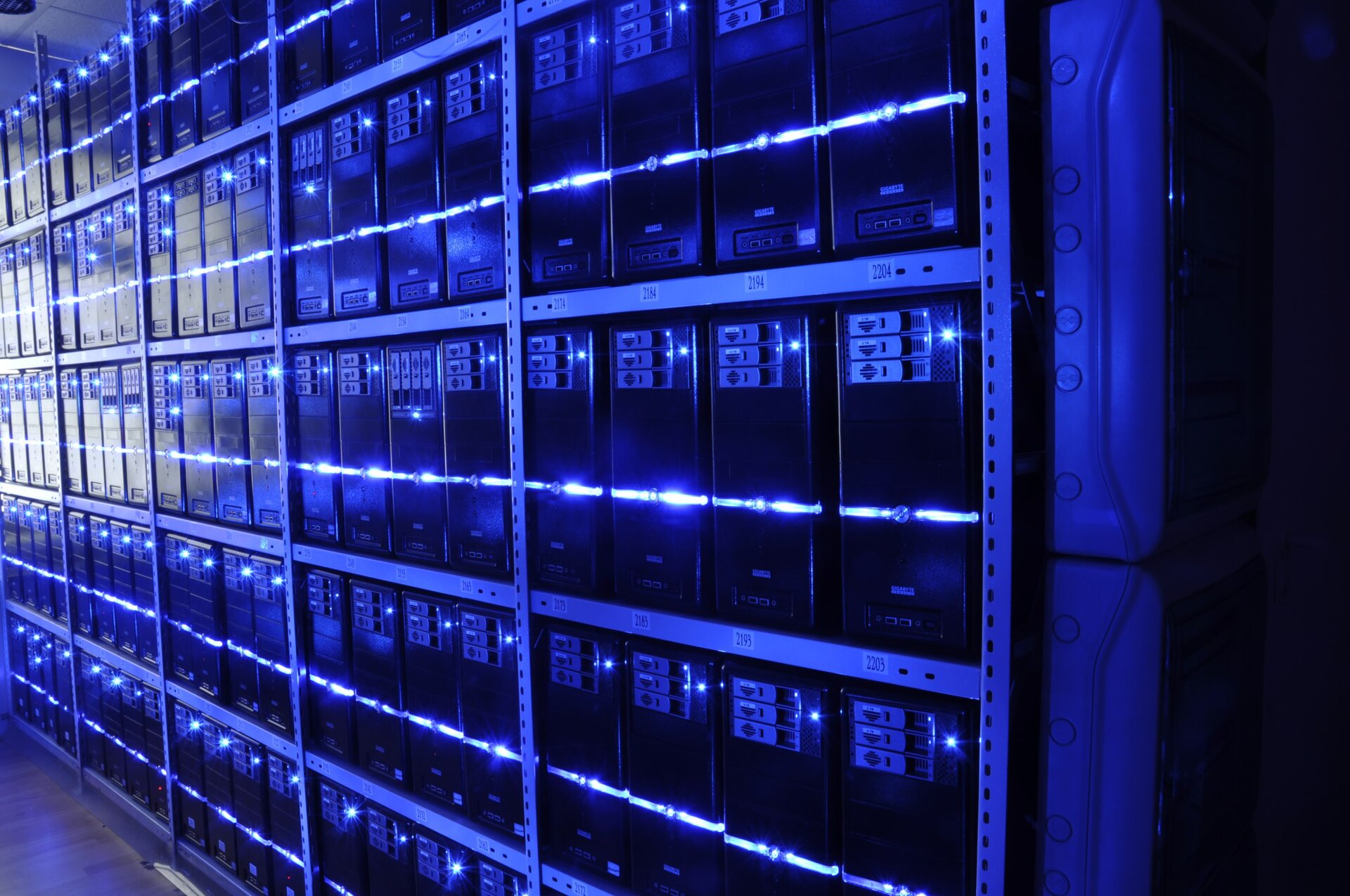
The machine drafts, the translator sets the quality: MTPE
Training materials suit MTPE; contracts and slogans do not
Chinese companies operating in Türkiye produce a large amount of content every day that needs Chinese–Turkish translation: internal announcements, training materials, product data, customer emails, tender files and more. If all of it is translated by hand, timelines stretch, costs rise and many documents have to wait. With AI-assisted translation (MTPE), the machine produces a draft first and a bilingual translator then corrects it, so turnaround is noticeably shorter. This method works best for high-volume, highly repetitive documents whose purpose is to convey information.
AI is not the answer to everything, however. Official documents, contracts, legal texts, medical reports and slogans carry high expectations in terms of accuracy, legal liability or creativity, and are generally not suitable for machine pre-translation. Deciding which documents can use AI is also part of the service.
The difference between light and full post-editing
We first assess the type, purpose and confidentiality level of your documents and separate the sections suited to AI from those that require human translation. Your terminology list and previous translations are then loaded and a draft is produced in a controlled, professional translation environment. Translators fluent in Chinese and Turkish then correct it sentence by sentence: light post-editing ensures the meaning is accurate, while full post-editing also polishes the language.
On delivery we state the level of post-editing applied and update your translation memory. As projects accumulate, terms and translations become more consistent and later documents are processed faster.
Pasting company documents into free tools creates KVKK risk
The most common mistake is employees pasting company documents directly into free, public translation or chat tools. This can take confidential information out of the company's control and may also breach customer contracts or data protection rules such as Türkiye's KVKK (Personal Data Protection Law). We process documents in a controlled environment and can sign a non-disclosure agreement; for details on data compliance, please consult your legal advisor.
Another mistake is sending unchecked machine translation straight to a Turkish customer or business partner. Chinese–Turkish machine translation frequently makes errors in word order, subjects and negation, and a single mistranslation can lead to a commercial misunderstanding. Every document intended for external use should go through human post-editing.
For large volumes: a sample section first, then method and price
Yeni İpekyolu offers document suitability assessment, machine pre-translation in a controlled environment, light or full human post-editing, and terminology glossary and translation memory management. Documents to be submitted to official authorities are routed to the sworn translation process. You can also send us AI translations you already have for review.
Please prepare editable files, a note on the intended use, your confidentiality requirements and, if available, a terminology list or translation memory. For large volumes, you can send a sample section first; after reviewing it, we will propose a method and a price.
Teams with high document volumes that need speed
Companies with heavy internal documentation
Staff handbooks, internal procedures, training materials and meeting notes need to be shared between Chinese and Turkish teams. These documents are numerous, updated frequently, and their main purpose is for employees on both sides to understand the content correctly. AI support combined with human review makes it possible to translate high volumes in a reasonable time.
E-commerce and product data teams
Thousands of product descriptions, technical specifications and customer reviews need to be processed quickly. Structured data is highly repetitive, which makes it ideal for machine pre-translation with a loaded terminology glossary. Human post-editing pays particular attention to technical values, units and key selling points.
Teams that need to grasp content quickly
For Turkish tender files, industry reports or correspondence, you first understand the gist and then decide whether a full translation is needed. A lightly post-edited translation is enough for headquarters to judge whether a document matters. Sections for official use can then be planned for full human translation or sworn translation.
Machine drafts, two levels of post-editing and translation memory
Machine translation draft
The first draft is produced in a controlled, professional translation environment with your terminology glossary loaded. The glossary keeps the AI consistent on key words such as product and department names. We never upload confidential documents to free public tools.
Light post-editing
Errors and ambiguities are corrected so the meaning is accurate; suitable for internal use. Light post-editing aims for no mistranslations or omissions rather than stylistic polish. It suits meeting notes, internal announcements and preliminary document screening.
Full post-editing
Language and style are also refined, reaching quality close to human translation; suitable for external publication. The translator adjusts sentence structure, tone and terminology so the text reads naturally. For outward-facing marketing or brand content, it is still worth assessing whether fully human translation is needed.
Terminology glossary and translation memory
Your own terms and translations are built up so later projects are faster and more consistent. The translation memory is an asset belonging to your project and can be exported on request. As it grows, the quality of the AI draft generally improves too.
Suitability assessment
We determine in advance which documents are suitable for AI support and which require fully human translation. For official documents, contracts, legal texts and materials that will need notarization, we recommend human translation or the sworn translation process. That way, no risk is taken just to save time.
Service summary and requirements
| Turnaround | Usually faster than human translation |
|---|---|
| Pricing | Per word · based on post-editing level |
| Language pairs | Chinese ⇄ Turkish / English |
| Service languages | Chinese · Turkish · English |
| Cities served | Mainly Istanbul; also Ankara, Izmir and other cities |
The final price and timeline depend on your documents and scope; we send a clear quote within 2 hours.
What you need to provide
- Editable files (Word, Excel, XML, etc.); scanned documents are converted to text first
- Intended use: internal use or external publication
- Confidentiality requirements (NDA if needed)
- Terminology list or translation memory, if available
Suitability decision first, then machine translation and human post-editing
- 1
Document assessment
We review the document type, intended use and confidentiality level, and recommend the right method. A single set of documents may contain both sections suited to AI and sections requiring human translation. We price and process these separately.
- 2
Terminology setup
Your terminology list and previous translations are loaded, raising draft quality. If there is no ready terminology list, we can extract frequently used words from the documents and confirm them with you first. This step has a major impact on consistency later on.
- 3
AI pre-translation
Drafts are produced in bulk in a controlled environment. The format and structure of the original file are preserved as far as possible. Translations at this stage are not delivered to you directly.
- 4
Human post-editing
Bilingual translators correct the text sentence by sentence at the agreed level, and consistency is checked by sampling. Numbers, dates, personal names and negative sentences receive special attention, as these are where machines make the most mistakes. Unclear content is flagged and raised with you.
- 5
Delivery
Files are delivered in their original format and your translation memory is updated. The post-editing level applied is stated on delivery, so you know where each document can be used. The same terminology and memory can be reused for future documents.
Frequently asked questions
Which documents are not suitable for AI-assisted translation?
Official documents, contracts and legal texts to be submitted to Turkish public authorities, notaries or courts should generally be translated entirely by hand by a sworn translator. Slogans and literary works are also unsuitable because they depend on tone and creativity. Human translation is likewise recommended for high-risk content such as medical reports.
Will my documents be uploaded to public AI tools?
No. We never use free public tools for confidential documents; we work in a controlled translation environment and can sign a non-disclosure agreement. If your company has specific data-handling rules, let us know in advance and we will adapt the process accordingly.
Is AI-assisted translation as good as human translation?
After full post-editing, quality generally approaches that of human translation; with light post-editing, the priority is conveying the meaning accurately. Source text quality, document type and terminology preparation all affect the result. We help you choose the right level for your intended use.
Can AI-assisted translations be certified or notarized?
For documents with official purposes, a sworn translator usually has to take responsibility for and sign the translation, so the AI-assisted process is generally not used. For these documents, choose our sworn translation service. Please confirm the certification requirements with the current rules of the receiving institution.
We translated it ourselves with AI. Can you just review it?
Yes. We first assess the draft quality by sampling and then determine the post-editing workload. If the draft contains too many errors, retranslating is sometimes faster and more economical, and we will tell you so openly. Please also let us know which tool you used so we can assess data security.
How good is machine translation between Chinese and Turkish?
Chinese and Turkish are structurally very different; machine translation often pivots through English, and word-order errors, dropped subjects and inconsistent terminology are common. Direct Chinese-to-Turkish quality is often less stable than Chinese–English. This is why human post-editing cannot be skipped.
Can you work with scanned documents or images?
Yes, but optical character recognition (OCR) has to be done first, and recognition errors affect the translation. Recognition is weaker for tables and handwriting, which require human checking. If you can provide the original editable file, both quality and efficiency improve.
Tell us what you need in Türkiye
Our Chinese-speaking consultant reviews it for free and gives you a clear price and timeline.